
Connecting a water hose to a PVC pipe is a common requirement for garden irrigation, outdoor plumbing, or temporary water supply setups. This task often involves PVC sch 40 pipe as the main distribution line and a PVC connection pipe or adapter to transition to the hose. Using the right components and following proper installation steps ensures a secure, leak-free connection.
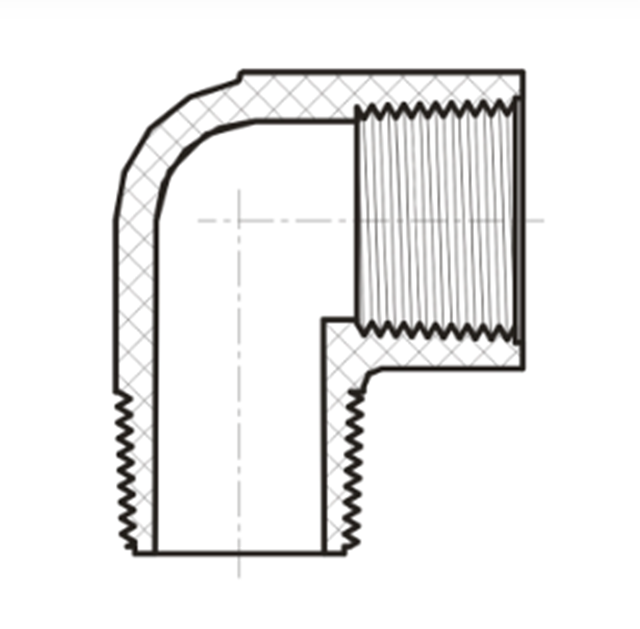
Selecting the Right PVC Connection Pipe
The first step is choosing a PVC connection pipe or adapter suitable for the water hose diameter. Barbed adapters or threaded fittings are commonly used to join a hose to PVC pipe. Selecting components designed for water applications helps maintain a durable and reliable connection with the main PVC sch 40 pipe line.
Preparing the PVC Pipe for Attachment
Before connecting the hose, cut the PVC sch 40 pipe squarely and remove any burrs or debris from the end. A clean, smooth surface ensures that the adapter or connection pipe seats properly. Measuring the insertion depth is important to prevent leaks and achieve a tight, secure fit with the PVC connection pipe.
Attaching the Water Hose
Slide the water hose over the barbed or threaded portion of the PVC connection pipe. For barbed adapters, push the hose firmly until it reaches the base of the barb. In some cases, a hose clamp can be added to increase security, particularly if the system is pressurized or outdoors. Ensure the connection is straight and aligned with the main PVC line to avoid stress on the joint.
Securing and Testing the Connection
Once connected, inspect the joint to confirm the hose is fully seated and the adapter is tightly fitted. Turn on the water supply gradually to check for leaks and adjust the hose or clamp if necessary. A properly installed connection ensures consistent flow and prevents water loss.
Maintenance Tips
Regularly check the connection for wear, cracks, or loosening over time. Seasonal maintenance or relocation of the hose may require readjustment to maintain a leak-free seal. Following these practices prolongs the life of both the water hose and the PVC piping system[2] .
Conclusion
Connecting a water hose to a PVC pipe requires the right adapter, careful preparation, and proper securing techniques to maintain a reliable water connection.
LESSO America offers PVC connection pipes and compatible SCH 40 fittings designed for consistent and reliable performance. By providing high-quality components, LESSO America ensures secure and efficient water distribution in residential and irrigation systems.
#340 How to Repair Cracked PVC Pipe
Cracks in pvc pipes can occur due to impact, freezing temperatures, improper installation, or long-term stress. These issues are common in both residential and commercial systems, especially when understanding what is schedule 40 pvc pipe used for, as it is frequently applied in water distribution, drainage, and irrigation lines. Repairing cracked pvc pipes promptly is important to prevent leaks, pressure loss, and further damage to the surrounding system.
Identifying the Type and Extent of the Crack
Before starting any repair, it is essential to inspect the pvc pipes carefully. Small surface cracks or pinhole leaks may be repairable, while large splits or shattered sections usually require replacement. Determine whether the crack is located along the pipe wall, near a joint, or at a fitting, as the repair approach will differ. Accurately assessing damage helps ensure the repair method is appropriate for the condition of the pvc pipes.
Shutting Off and Draining the System
Any repair on pvc pipes must begin with shutting off the water supply and relieving internal pressure. Drain the affected section completely to ensure a dry surface for repair materials. Moisture can prevent proper bonding and reduce the effectiveness of adhesives or repair compounds used on pvc pipes.
Repairing Small Cracks or Leaks
For minor cracks in pvc pipes, repair clamps or epoxy-based repair kits are commonly used. Epoxy compounds designed for PVC can be applied directly over the cracked area once the surface is cleaned and lightly sanded. These materials cure to form a rigid seal that can withstand typical operating pressures. Repair clamps, which wrap around the pipe, offer another temporary or semi-permanent solution for small cracks in pvc pipes.
Replacing Severely Damaged Pipe Sections
If the crack is extensive or the pipe wall is compromised, cutting out and replacing the damaged section is the most reliable solution. Use a PVC pipe cutter or saw to remove the cracked portion of the pvc pipes. New pipe sections are then joined using couplings and solvent cement. This method restores full structural integrity and is recommended for pressurized systems.
Preventing Future Cracks in PVC Pipes
Preventive measures can significantly reduce future damage to pvc pipes. Proper pipe support, adequate burial depth, and insulation in cold environments help minimize stress. Avoid overtightening fittings and ensure pipes are not exposed to excessive external loads. These practices extend the service life of pvc pipes and reduce the likelihood of recurring cracks.
Conclusion
Repairing cracked pvc pipes depends on the severity of the damage and the operating conditions of the system. Small cracks may be sealed, while larger failures are best resolved through section replacement to maintain reliability.
For projects requiring dependable piping solutions, LESSO America manufactures pvc pipes designed to meet defined performance and dimensional standards. Through consistent material quality and controlled production, LESSO America supports effective repair and long-term system durability.