
Diamonds have been prized for centuries due to their rarity, cvd diamond testing machine durability, and unparalleled brilliance. Whether for engagement rings, luxury jewelry, or investment purposes, acquiring a genuine diamond is a significant event for many individuals. However, with the rise of synthetic diamonds and high-quality imitations, it can be difficult to differentiate between a real diamond and a fake one. This is where a diamond tester comes in. A diamond tester is an essential tool designed to determine the authenticity of a diamond, giving buyers and sellers the confidence to make informed decisions. This article explores the importance of a diamond tester, how it works, and its role in protecting consumers and businesses from counterfeit gemstones.
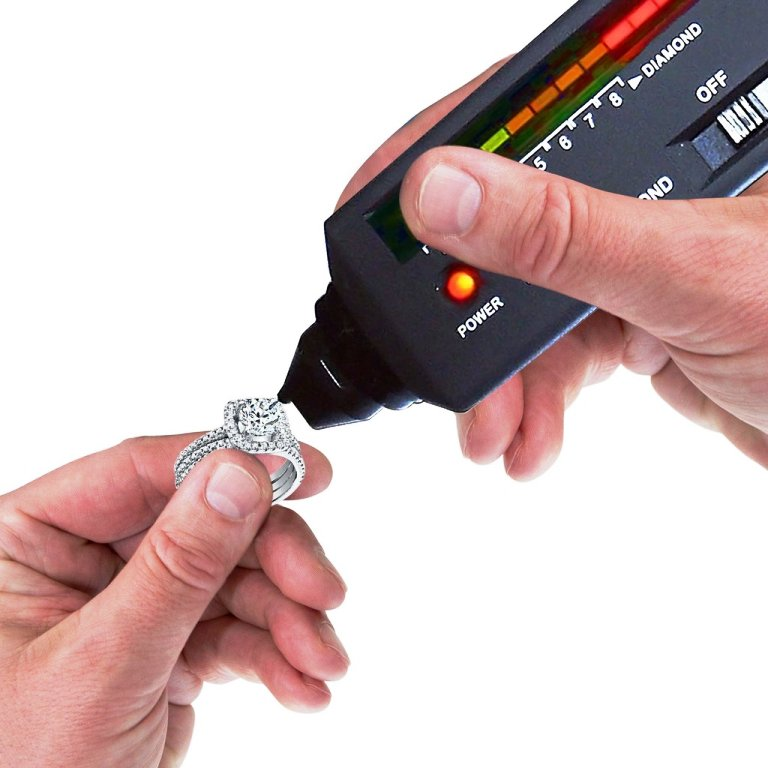
A diamond tester works by measuring the thermal conductivity of a gemstone, a key property that distinguishes diamonds from other materials. Diamonds are known for their exceptional ability to conduct heat, far more effectively than imitation stones such as cubic zirconia or moissanite. The tester’s probe is placed in contact with the stone, emitting a small pulse of heat. The tester then measures how quickly the heat dissipates through the gemstone. Real diamonds conduct heat rapidly, whereas simulants like cubic zirconia or glass will conduct heat much slower. This thermal conductivity test is quick, easy, and provides reliable results, helping users verify whether a stone is a genuine diamond.
There are various types of diamond testers available, each catering to different needs and levels of precision. Basic handheld testers are affordable, easy to use, and suitable for everyday purposes. These devices are ideal for consumers and jewelers who need a portable and simple solution for quickly identifying diamonds. Advanced models, however, offer more sophisticated features, such as the ability to differentiate between diamonds and other diamond-like stones, like moissanite, which shares similar thermal conductivity properties with diamonds. These higher-end testers may also feature digital displays, providing more accurate readings and increasing confidence in the authenticity of the stone. Some advanced testers are also equipped with additional functionality, such as the ability to test multiple gemstones or provide in-depth analysis of heat conductivity.
While diamond testers are invaluable tools for verifying authenticity, they are not without limitations. One of the primary challenges is that some imitations, such as moissanite, exhibit thermal conductivity similar to that of diamonds, potentially leading to false positives if the tester cannot differentiate between them. To address this, specialized testers are available that are specifically designed to distinguish between diamonds and moissanite, which is essential for those who need to be certain of the authenticity of a stone. Furthermore, while diamond testers are effective for assessing thermal conductivity, they cannot evaluate other aspects of a diamond, such as its color, cut, clarity, or overall quality. For these factors, a professional gemological certificate from a trusted laboratory is needed to assess the diamond’s full value.
The role of diamond testers extends beyond just individual consumers—it is also crucial for jewelers, appraisers, and businesses in the gemstone industry. Jewelers use diamond testers to verify the authenticity of stones before purchasing them, preventing costly mistakes and ensuring that their inventory consists of genuine diamonds. Additionally, when selling diamonds, jewelers use testers to provide customers with a sense of confidence and security. For consumers, using a diamond tester when buying diamonds from non-reputable sources or second-hand dealers can safeguard against fraud. Many online marketplaces, private sellers, and pawn shops may not provide proper certifications for the diamonds they sell, making a diamond tester an essential tool for verifying the authenticity of the gemstone.
In conclusion, a diamond tester is an invaluable tool that plays a critical role in ensuring the authenticity of diamonds. With its ability to measure thermal conductivity, it offers a reliable, straightforward method for distinguishing real diamonds from fake or synthetic ones. Whether used by jewelers, appraisers, or consumers, diamond testers help to avoid costly mistakes and protect buyers from being misled. While diamond testers are not perfect and have limitations, they provide a first line of defense when it comes to verifying diamonds. For those seeking to purchase or sell diamonds, investing in a diamond tester is a wise decision that provides security and peace of mind in the increasingly complex world of gemstone transactions.