
Introduction — a quick shop-floor tale
I was standing by a busy fabricator last month watching a junior operator squint through a haze of smoke while the laser hummed—an ordinary Tuesday in many shops. In that moment I thought about the laser cutter fume extractor we’d just installed at another site; the difference was dramatic (nearly 40% fewer complaints and cleaner air readings). Shops report that indoor particulate counts spike within minutes of a cut, and yet many teams still treat extraction as an afterthought. So how do we choose the right system without spending time on trial and error?
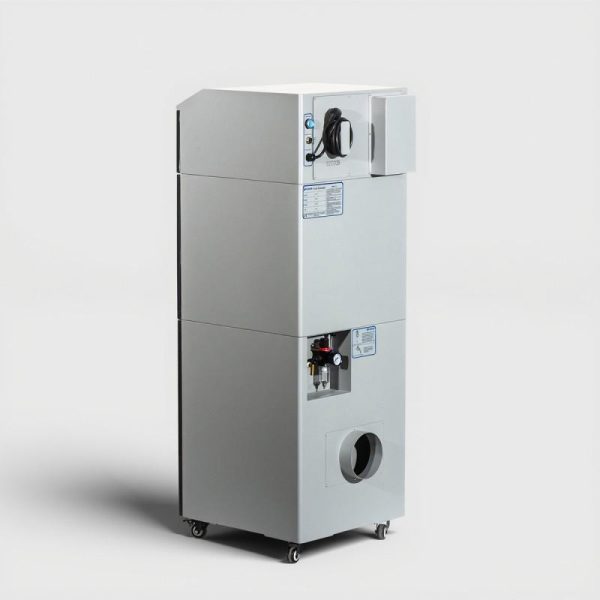
Let me be frank: this matters. Poor extraction harms health and slows workflow. I’ll share what I’ve learned from floorside testing, simple metrics you can trust, and why small design choices change outcomes. We’ll move from a real scene to clear criteria, step by step.
Where common solutions fall short — a technical look
Why isn’t my current extractor enough?
laser cutting fume extractor units often promise “high flow” and “industrial strength,” but the label doesn’t capture real performance in a busy shop. I’ve seen systems with large fans but poor filtration strategy: they push air but leave ultrafine particles and VOCs behind. The problem usually boils down to three things: mismatched airflow (air changes per hour ignored), inadequate filtration media (no HEPA filter or insufficient activated carbon), and poor ducting layout that creates dead zones. These problems are technical, but they translate into human cost—eye irritation, headaches, and lower productivity.
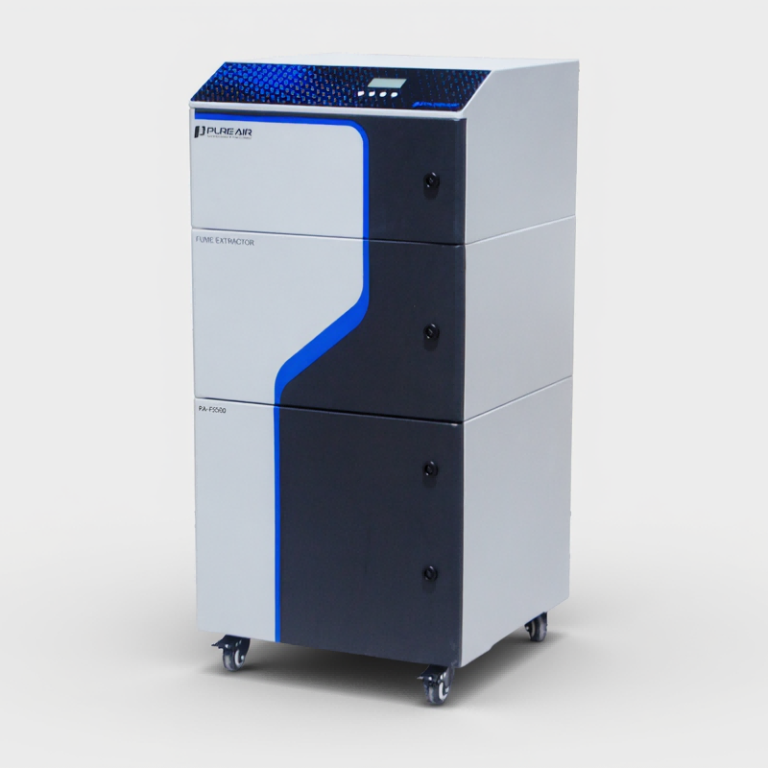
Look, it’s simpler than you think: more CFM isn’t always better if the cartridge or HEPA stage can’t capture the fine particulates. I measure fan speed controller response and filter pressure drop during trials. If the filter load spikes quickly and the fan ramps up, you get noise and energy waste. I also check power converters and control circuits—cheap electronics can fail under continuous use. The takeaway? Ask for measurable specs: filter efficiency, CADR (clean air delivery rate), and replacement cadence. — funny how that works, right?
Future outlook — practical principles and buying guidance
What’s next for shop safety and filtration?
Looking forward, integration and smarter components will define better extractors. Systems that combine a well-tuned fan, staged filtration (pre-filter, HEPA, activated carbon), and simple sensor feedback win in real life. I expect more units to include basic IoT diagnostics—edge computing nodes that report filter life and air exchange metrics—so maintenance moves from guesswork to planned action. When you evaluate a new unit, consider how it will fit into your workflow, not just a spec sheet. — and yes, that matters.
To close, here are three evaluation metrics I recommend using when you compare products: 1) Measured CADR at the point of capture; 2) Filter composition and rated particle removal (HEPA class + carbon bed depth); 3) Operational metrics like noise, energy draw, and maintenance interval (how often do you change the filtration cartridge?). If you keep those in mind, you’ll choose a system that protects people and keeps machines running. For reliable, tested options and support, I’ve worked with brands that back their data—check PURE-AIR for product detail and real-world performance.